How to Quit Teaching Mid Year and Move Into a New Career
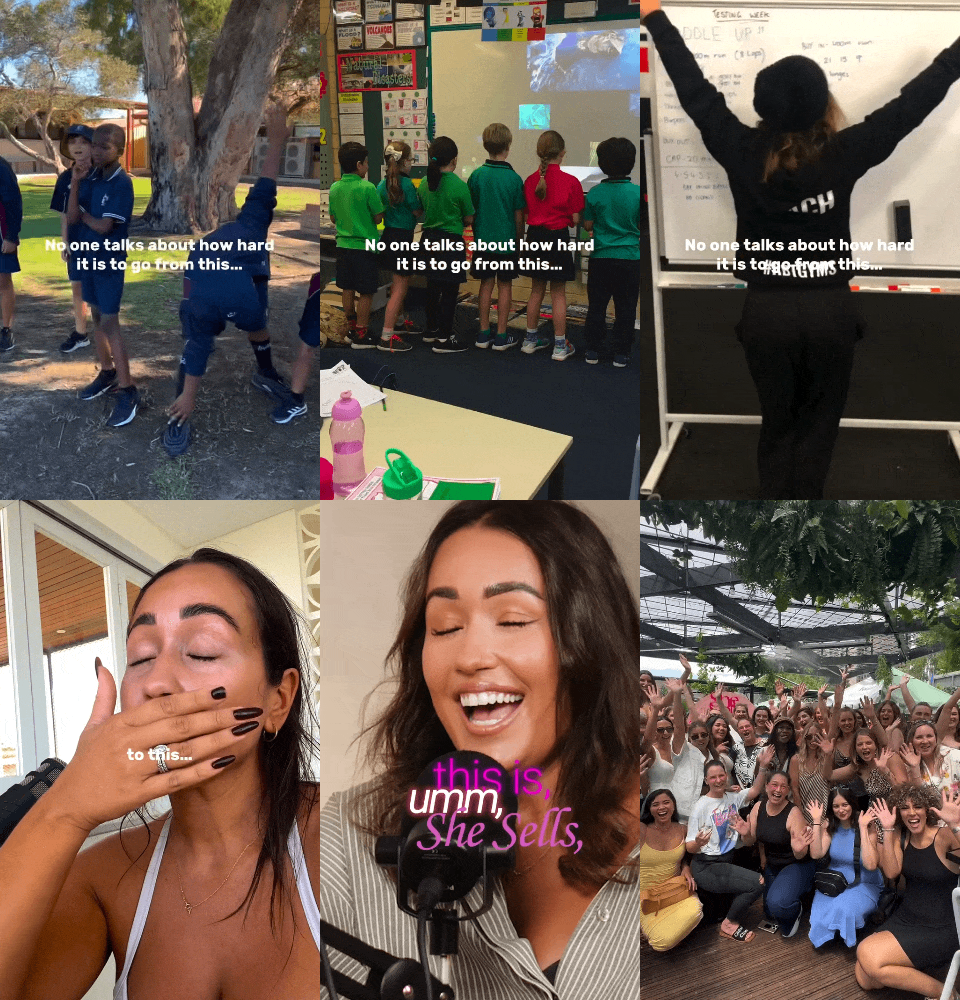
To quit teaching mid-year, check what your contract or agreement says about notice, give it in writing as early as you can, line up at least three months of expenses before your last day, and start building your next skill while you are still being paid. In Australia, public school notice rules are often short (NSW asks for at least one month; Victoria sets no minimum for most teachers), while in the US, leaving after your district’s deadline without consent can be reported to your state licensing body. She Sells, with a team in Australia and the US, trains women for remote sales from home, and I know this decision from the inside: I started as a primary school teacher in a small town.
This guide is about the mechanics of leaving mid-year: notice, money and timing. If you are still deciding whether sales suits you at all, start with career change from teacher to sales, then come back here for the exit plan.
Notice periods and contract basics: AU and US
The rules depend on who employs you, so treat the examples below as a starting point and read your own agreement or contract before you hand anything in.
| Where you teach | What the official source says | What it means mid-year |
|---|---|---|
| NSW public schools | Teachers are asked to give notice at least one month before the separation date, submitted online through the department’s “Request separation” service | Plan your last day at least a month out; leaving during or at the end of the holidays needs notice a month before the last day of the preceding term |
| Victorian government schools | No minimum notice for teaching service employees other than principals and executive class (12 weeks for them, or as agreed in writing) | You can leave on shorter notice, but notice should be in writing and you are encouraged to give as much as possible |
| Other AU states, Catholic and independent schools | Set by your enterprise agreement or contract | Check your agreement or ask your union or HR |
| Texas public schools | Penalty-free resignation by 45 days before the first day of instruction; after that, without board consent, the district can file a request with the educator certification board | Ask your board to release you in writing before you leave |
| California public schools | Districts report a credential holder who refuses, without good cause, to fulfill a valid employment contract, and the Commission must act | Get written consent to be released; do not just stop turning up |
| Other US states and districts | Set by your contract, state law and district policy | Read your contract’s resignation clause and your state’s licensing rules |
Australia: NSW and Victoria
The NSW Department of Education’s Teachers Handbook, chapter 11 asks teachers to submit notice “as early as practicable, and at least one month prior to the date the separation is to be effective”. If you resign during a term, salary stops at the end of the school day your separation takes effect, and unpaid leave entitlements are paid out (except for wilful misconduct). Useful for a career changer: permanent teachers who resign can seek approval to come back as casual or temporary teachers, subject to principal endorsement and the usual checks. That can be a genuine safety net while your new career builds.
Victoria’s cessation of employment policy says “no minimum applies” for teaching service employees other than principals and executive class, and that notice should be in writing unless circumstances do not permit. No minimum is not the same as no consequences for your references, so a fair handover still matters.
United States: why contracts matter more
US teachers usually sign a contract for the school year, and walking away from it mid-year can affect your licence, not just your job. In Texas, the Texas Association of School Boards explains that the penalty-free resignation date is 45 calendar days before the first day of instruction, and that a district can file a request with the State Board for Educator Certification if a teacher resigns later without board consent. Certificate suspension is no longer an available sanction, but the board may still take other action, such as an inscribed reprimand, and some reasons (such as serious family illness or a spouse’s job relocation) can protect you.
In California, the Commission on Teacher Credentialing says Education Code 44420 “requires Commission action if a school district reports a credential holder who refuses, without good cause, to fulfill a valid contract of employment”. The safest move in any state is to ask for a written release from your board or district and keep a copy.
Your step-by-step plan for leaving mid-year
- Read your agreement or contract first. Find the resignation clause, the notice period and any release process. Write the deadlines in your diary.
- Pick a realistic last day. The end of a term is kinder to your students and your references, and in NSW the notice timing for a holiday finish is tied to the last day of the preceding term.
- Build your runway (more below). Do this before you resign, not after.
- Start learning your next skill now. Evenings and weekends while you still have a salary are the cheapest time to learn.
- Talk to your principal before you submit. It usually makes the release smoother.
- Resign in writing. Keep it short, positive and dated. Use your system’s official process (SAP in NSW, the board or HR in a US district).
- Leave a proper handover. Programs, marks, notes on students who need support.
- Apply for roles before your last day. Interviews for remote work often run over video, which you can fit around school hours.
Planning your exit from the classroom? Book a free call with the She Sells team and talk through whether remote sales fits your timeline.
Your financial runway plan
This is the bit that decides whether leaving feels exciting or terrifying. Australia’s government money site, Moneysmart, says “a good target is to have enough in your emergency fund to cover three months of expenses”, and to save more if you might be unable to work for a while. In the US, the Consumer Financial Protection Bureau says the amount you need “depends on your situation” and suggests basing it on the unexpected costs you have actually had.
For a career change, I would treat three months as the floor, not the goal, because a new income rarely starts the week your salary stops. Here is a simple way to set your number:
- Add up your real monthly spending from the last three bank statements, not the budget you wish you had.
- Separate fixed costs (rent or mortgage, insurance, childcare, loan repayments) from things you can cut for a season.
- Count any payouts you are owed on leaving, such as unused leave, but confirm the figure with payroll before relying on it.
- Check health cover. US teachers often get health insurance through the district, so find out when it ends and what replacing it would cost.
- Decide your bridge. Casual relief teaching, tutoring or a partner’s income can stretch your runway while you learn.
Be honest with yourself about timing. Many remote sales roles are commission-heavy or commission-only, so your first months may be lean. When I moved into remote sales in 2020, I made $440 in my first month. That is my result, not a typical one, and it is exactly why a runway matters. We go deeper on this in how long it takes to earn money in remote sales and commission-only sales jobs: pros and cons.
The path from the classroom into remote sales
Remote sales means helping people make buying decisions over video calls or the phone, usually as an appointment setter (booking qualified calls) or a closer (running the sales conversation). Teachers bring more to it than they expect: explaining clearly, reading a room, staying calm with someone who is unsure, and following up without giving up.
Learn the skill, then get hired
There are two halves to this move, and you need both. The first is the skill: call structure, asking good questions, handling objections, and practising until it feels natural. The second is getting the job: a resume/CV that translates teaching into sales language, a LinkedIn profile, and interviews that often include a role play. Our guide on how to get your first remote sales job walks through the second half.
She Sells covers both. She Launches is the foundation program, with live coaching, role play and frameworks (it does not include direct placement). She Soars is the career program through the She Sells Cert III in Remote Sales certificate: once you’re certified, our recruitment team works with you to land a role within 90 days, or your money back. You can compare them on our programs page, or read more about Brooke.
Red flags while you job hunt
Career changers with savings are a target. Walk away from anything that asks you to pay to join, earns mainly from recruiting other people, or promises a set income. I had my own first taste of sales in network marketing in 2014, so I say this with love: know the difference between a sales job and a recruiting scheme before you hand in your notice.
Results vary. Nothing here is a promise of income. See our earnings disclaimer.
Want to see if remote sales could work for you? Book a free call with the She Sells team.
Frequently asked questions
Can a teacher quit in the middle of the school year?
Yes, but the rules depend on your employer. NSW public schools ask for at least one month’s notice, Victorian government schools set no minimum for most teachers, and US teachers on a year contract usually need their board’s consent to avoid being reported to the state licensing body. Check your own agreement or contract before you resign.
Will quitting mid-year affect my teaching licence?
It can in some US states. Texas districts can refer teachers who leave after the penalty-free date without consent, and California requires Commission action when a district reports a contract abandoned without good cause. A written release from your district is the best protection.
How much money should I save before I quit teaching?
Moneysmart suggests an emergency fund covering three months of expenses, and more if you might be out of work for a while. For a career change into commission-heavy work, treat three months as the minimum and add more if your new income may take time to build.
How do I leave teaching and start a new career?
Choose the career first, start learning it while you are still employed, build your savings, then resign in writing with proper notice and a good handover. For remote sales, that means learning call skills and objection handling, then applying with a resume/CV that translates your teaching experience.
Can I go back to teaching if sales does not work out?
Often, yes. In NSW, permanent teachers who resign can seek approval to work casually or temporarily for the department, subject to principal endorsement and checks such as a valid Working With Children Check and current NESA accreditation. Keeping your registration or licence current keeps that door open.