Remote Sales Jobs With Training: How to Find a Role That Teaches You
Remote sales jobs with training are the ones where someone actually teaches you the product, the script and the sales process before you’re judged on numbers. You spot them by asking specific questions: who trains you, for how long, whether training time is paid, and whether your calls get reviewed. Good signs are a structured onboarding plan, role-play, shadowing experienced reps and a lower target for your first months. Red flags are being put straight on the phones with a script, or being asked to pay for “training” yourself. The same checks work in Australia and the US, and for remote closer jobs as well as setter and SDR roles.
Real training vs “here’s a script, good luck”
Lots of ads say “full training provided”. Here’s how to tell what that actually means once you start asking.
| What you’re checking | Employer who trains | Employer who throws you on the phones |
|---|---|---|
| Onboarding plan | A written first-week or first-month plan with topics and milestones | “You’ll pick it up as you go” |
| Who trains you | A named sales manager, team lead or enablement person | Nobody specific, or “the Slack channel” |
| Product and offer | Sessions on the product, the customer and common objections | A PDF and a link to the sales page |
| Practice | Role-plays before you take live calls | Your first real call is your practice |
| Shadowing | You listen to experienced reps and recorded calls | No call recordings available |
| Feedback | Regular call reviews with specific coaching | Only feedback is your numbers |
| Ramp period | Lower targets while you learn | Full targets from day one |
| Cost to you | Nothing; employees are paid for training time | You pay for the “training”, a course or a kit |
No employer ticks every box, and a small business can train you well without a fancy enablement team. What you want is a clear answer to “how will I learn this?” rather than a vague one.
Is training paid? Your rights in Australia and the US
If you’re hired as an employee, training is usually part of your paid work. If you’re engaged as a contractor, it often isn’t, which is one more reason to know which one you’re being offered.
Australia
The Fair Work Ombudsman says an unpaid work trial is “a demonstration by someone working under supervision to show they have the skills for the job”. Unpaid trials may be unlawful where they aren’t necessary to demonstrate the skills, go on longer than needed (which “could range from an hour to one shift”), or involve more than a demonstration of your skills. Any time beyond what’s reasonably needed “must be paid at the appropriate minimum rate of pay” (Fair Work: unpaid trials). So “two weeks of unpaid training on live calls” for an employee role is a big warning sign.
United States
Under the Fair Labor Standards Act, the Department of Labor says time spent in meetings and training programs “need not be counted as working time only if four criteria are met”: it’s outside normal hours, voluntary, not job related, and no other work is done at the same time (DOL Fact Sheet #22). Training on how to sell your employer’s product during your shift is job related, so for employees it’s generally paid time. This applies to employees, not 1099 contractors.
Where remote sales training is most common
Training tends to come with structure. The US Bureau of Labor Statistics notes that “many companies have formal training programs for beginning wholesale and manufacturing sales representatives”, that these “may last up to 1 year”, and that new employees may be trained “by going along with experienced workers on their sales calls” (BLS Occupational Outlook Handbook). That describes established sales teams, and you’ll see the same pattern in remote roles:
- SDR, BDR and inside sales roles at software and B2B companies usually come with onboarding, a sales manager and a ramp period, because the company is paying you a base while you learn.
- Appointment setter roles vary a lot. Some businesses give you scripts, call recordings and daily huddles; others give you a login and a lead list. If you’re new to setting, start with appointment setter jobs from home.
- Remote closer jobs for coaches and online businesses are often commission-based, and training ranges from excellent to non-existent. A business that wants closers to succeed will usually walk you through the offer, the ideal client, the call structure and past call recordings before you take a booked call.
Bottom line: the job title doesn’t tell you whether you’ll be trained. The answers to your questions do.
Want to learn the skills before you apply? Book a free call with the She Sells team and see if remote sales could work for you.
Questions to ask before you accept a role
Asking these won’t make you look difficult. It makes you look like someone who plans to stick around and perform. Pick five or six for your interview (and if you’re prepping, sales closer interview questions covers what they’ll ask you).
- What does the first two weeks look like, day by day?
- Who will be training me, and how much of their time will I get?
- Is training time paid, and am I being hired as an employee or a contractor?
- Will I do role-plays before I take live calls?
- Can I listen to recorded calls from your top performers?
- How often are calls reviewed, and who gives the feedback?
- Is there a ramp period with lower targets for new starters?
- Are there scripts or a documented sales process, and who keeps them updated?
- How long did your last few new hires take to make their first sale or booking?
- What happens if I’m behind target after the first month?
Listen for specifics. “Our sales manager runs role-play every Tuesday and reviews two of your calls a week” is a training culture. “We’re all super supportive here!” might be lovely, but it isn’t a plan.
How to spot training in a job ad
Before you even get to interview, the ad gives you clues. Phrases that tend to point to real training:
- “Structured onboarding”, “ramp period” or “first 90 days plan”
- “Ongoing coaching”, “call reviews” or “weekly role-play”
- A named reporting line, such as “reporting to our Sales Manager”
- A base salary or hourly rate during training
And phrases that deserve follow-up questions: “uncapped earning potential” with no mention of support, “be your own boss” for what is meant to be a job, or “training provided” with nothing else. If you’re searching for “remote closer jobs with training”, add words like “onboarding” or “coaching” to your search, and check the company has a real website, real products and real people on LinkedIn.
Red flags: when “training” is the product
This one matters most. The US Federal Trade Commission warns that in some job scams, “instead of making money, you end up paying for starter kits, so-called training, or certifications that are useless”, and says plainly: “If someone asks you to pay to get a job, that’s a scam” (FTC: job scams). Watch for:
- Having to buy a course or “certification” before they’ll give you the job
- Training that’s really a pitch to recruit other people underneath you
- Long unpaid “trial” periods on live calls for what’s meant to be an employee role
- Promises of big money fast with little work
There’s a difference between an employer charging you to get a job (a red flag) and you choosing to invest in your own skills with a training provider before you job hunt. Choosing training is fine, but it should never be a condition of being hired. For a fuller checklist, see remote closer job offer red flags.
Getting trained before you apply
Some women prefer to learn the skills first so they’re not relying on one employer’s onboarding. That’s what She Sells is built for, with a team in Australia and the US. She Launches is our foundation program: live coaching, role play and sales frameworks (it doesn’t include direct placement). She Soars is our career program through the She Sells “Cert III in Remote Sales” certificate, and once you’re certified, our recruitment team works with you to land a role within 90 days, or your money back. Many of the roles in this space are commission-heavy and results take time, so we’re honest about that from the first call. You can compare both on our programs page, and if role-play interviews make you nervous, read how to pass a sales role-play interview.
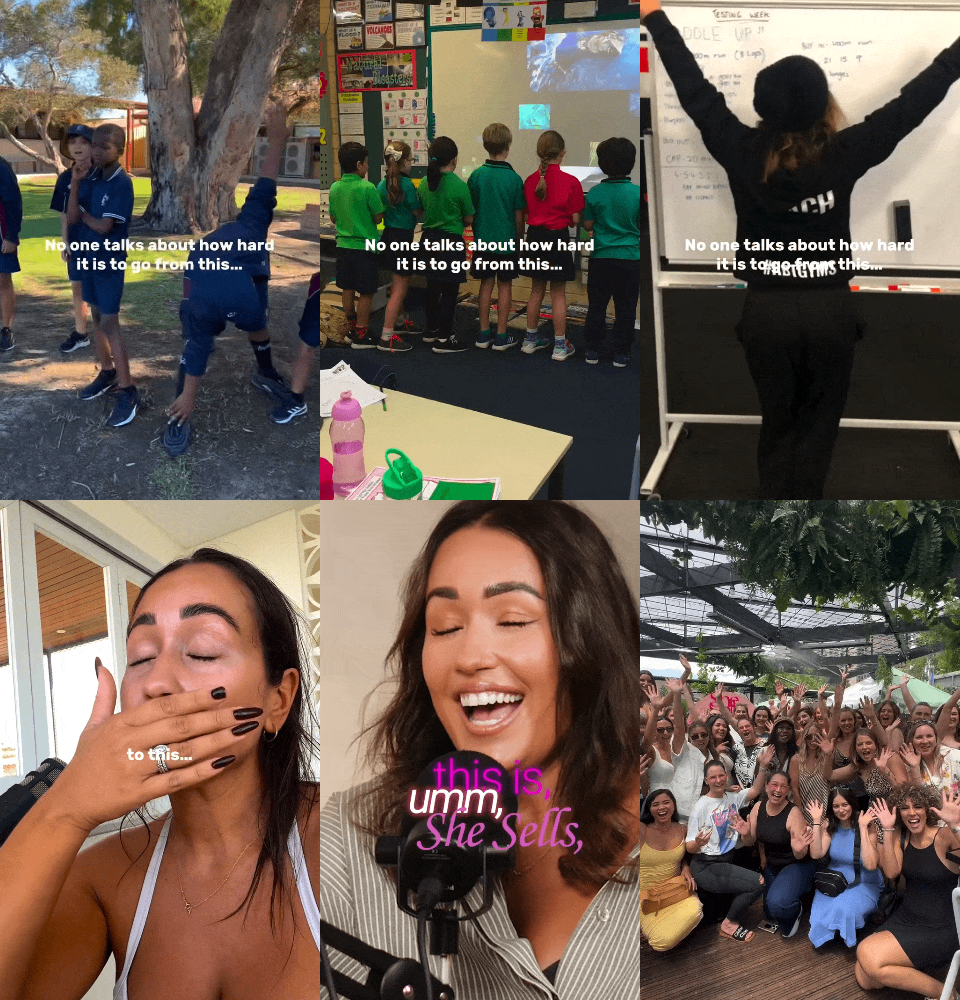
I started as a primary school teacher in a small town, so I know what it’s like to walk into sales with no script and no idea what you’re doing. Good training is what changes that.
Want to see if remote sales could work for you? Book a free call with the She Sells team.
Results vary. Nothing here is a promise of income. See our earnings disclaimer.
Frequently asked questions
Do remote sales jobs provide training?
Many do, but the quality varies a lot. Established sales teams with SDR, BDR and inside sales roles usually have onboarding and a ramp period, while some commission-only closer and setter roles give you very little. Ask who trains you, for how long, and how your calls will be reviewed.
Should I be paid while I’m being trained?
If you’re an employee, generally yes. In Australia, Fair Work says unpaid trials beyond a short skills demonstration must be paid at the minimum rate, and in the US the Department of Labor counts job-related training during work hours as working time. Contractors are treated differently, so check how you’re being engaged.
Is it a scam if a sales job asks me to pay for training?
If paying is a condition of getting the job, treat it as a major red flag. The FTC says honest employers won’t ask you to pay to get a job. Choosing to pay a training provider to build your skills is a separate decision you make for yourself.
Can I get a remote closer job with training if I have no experience?
Yes, some businesses will train new closers, but they’ll still want to see that you can hold a conversation and handle a role-play. Look for roles that mention onboarding, call recordings and coaching, and practise your role-play before you interview.
How long does sales training usually take?
It depends on the product and the company. A simple offer might have a week or two of onboarding, while the BLS notes some formal training programs for new sales reps last up to a year. Most roles keep coaching you through call reviews long after your first week.