Remote Sales Jobs That Are Not Insurance: What Else Is Out There
Yes, there are plenty of remote sales jobs that are not insurance. The main alternatives are high ticket closing for coaching and education offers, appointment setting and DM setting, tech and software sales (SDR roles), and B2B services sales. Insurance dominates remote sales job boards in the US mainly because it is a huge, commission-driven occupation that is always hiring, but if you don’t want to get licensed or sell policies, you have real options in Australia and the US.
Why are so many remote sales jobs insurance?
If you have searched “remote sales jobs” in the US, you have probably scrolled past listing after listing for life, health or final expense insurance. That is not your imagination, and there are a few honest reasons for it.
- It is a big occupation with steady turnover. The US Bureau of Labor Statistics (BLS) says insurance sales agents held about 572,600 jobs in 2025, and projects about 43,100 openings each year over the decade, many of them to replace people who leave the job.
- Commission keeps hiring cheap for the company. BLS notes that independent agents may be paid by commission only, and that commissions are the most common form of pay, especially for experienced agents. When a company only pays when you sell, it costs them very little to keep advertising.
- The licence is a filter, not a barrier, for recruiters. BLS says agents must be licensed in the states where they work, and in most states that means completing specified courses and passing state exams. Some agencies advertise for unlicensed people and help them through it, which helps explain why “no experience needed” insurance ads are everywhere.
None of that makes insurance a bad job. The BLS median annual wage for insurance sales agents was US$62,280 in May 2025, and it can suit people who like structure and helping families protect themselves. It just isn’t the only door. If you are curious about the money side of the industry, our guide to remote financial sales covers it.
Remote sales jobs that are not insurance: comparison table
Here is how the main non-insurance options compare. Pay structures vary a lot by company, so treat this as a map, not a promise.
| Role or industry | What you sell | Licence needed? | Typical pay structure | Good fit if you… |
|---|---|---|---|---|
| High ticket closer (coaching, education, online programs) | Programs and services, often several thousand dollars each | Usually no | Often commission only or mostly commission | Like deep conversations and can handle variable income |
| Appointment setter / DM setter | The call, not the product: you qualify and book leads | No | Hourly, base plus bonus, or commission per booked or showed call | Want a lower-pressure entry point |
| SDR / BDR in tech and software | Meetings for account executives at software companies | No | Usually base salary plus commission or bonus | Want a structured career path and a base salary |
| B2B services (marketing, recruitment, consulting) | Services to business owners | No | Base plus commission, or commission only for contractors | Enjoy talking to business owners |
| Insurance (for comparison) | Life, health, property and other policies | Yes in the US (state licence); regulated advice rules in Australia | Commission is the most common form of pay (BLS) | Are happy to study for a licence |
The alternatives in more detail
1. High ticket closing
A high ticket closer takes sales calls with people who have already shown interest in a coach’s or business’s program and helps them decide whether it is right for them. Most of these leads are warm: they booked the call themselves. You don’t usually need a licence, and the calls are done from home over Zoom or the phone.
Public pay data for closers is thin and blurry because the title covers many industries. Talent.com lists an average US “sales closer” salary of US$56,100 a year, with entry-level positions starting at US$40,000 and experienced workers making up to US$114,490. That range varies widely, and plenty of closer roles are commission only, so your first months can be slow. Read what remote closers sell for the kinds of offers you’d work with.
2. Appointment setting and DM setting
Setters start or reply to conversations (by phone, Instagram or Facebook), qualify the lead and book them onto a closer’s calendar. It is a common first step into remote sales because you don’t have to handle the full sales conversation. Many people move from setting into closing once they’ve built confidence. Our guide to remote closer vs appointment setter lays out the differences.
3. SDR roles in tech and software
Sales development representatives (SDRs) book meetings for account executives at software and tech companies. These roles are more likely to come with a base salary, which can suit you if you need predictable income. Payscale shows a US SDR base salary range of about US$41k to US$68k and total pay of about US$46k to US$83k (699 profiles, updated September 2026). In Australia, Payscale shows a base of about AU$54k to AU$74k, though that comes from only 11 profiles. The trade-off: SDR jobs are often full time and more corporate, with less flexibility around school hours.
4. B2B services sales
Agencies, consultancies and recruitment firms hire remote salespeople to talk to business owners. Some roles are employee roles with a base, others are contractor roles paid on commission. It suits women who’ve run a small business or worked in admin and understand what owners care about.
Not sure which non-insurance path suits you? Book a free call with the She Sells team and talk it through.
What to watch for in any commission role
Moving away from insurance doesn’t move you away from commission. Many high ticket closing and setting jobs are commission-heavy or commission only, and results take time. Before you accept any role, ask:
- Who supplies the leads? Warm inbound leads are very different from cold lists.
- How is commission calculated and when is it paid? Get it in writing, including what happens with refunds.
- Are you an employee or a contractor? In Australia, the Fair Work Ombudsman says an employee can be paid commission only when an award or enterprise agreement says they can be paid this way, or when they aren’t covered by an award or agreement. In the US, many closers work as 1099 contractors. See 1099 sales jobs explained.
- Do you have to pay anything to start? A real job does not charge you to be hired.
Red flags that it’s MLM, not a sales job
Some “remote sales” ads are actually network marketing. The US Federal Trade Commission describes multi-level marketing as businesses that involve selling products to family and friends and recruiting other people to do the same, and warns that some MLMs are illegal pyramid schemes. Warning signs include paying to join or buying starter stock, pay that depends on recruiting rather than selling, and income promises that sound too good. I know this world personally: my first taste of sales was network marketing in 2014, and it is a very different thing from being paid to close or set for a business.
How to move into a non-insurance remote sales role
- Pick a lane. Decide between setting (lower pressure, faster start) and closing (bigger conversations, usually more commission-based).
- Learn the core skills. Discovery questions, handling objections and following up. Our sales techniques for beginners guide is a good start.
- Practise out loud. Role play with someone who will give honest feedback.
- Apply with the right story. Teachers, nurses, retail workers and mums already have communication skills that transfer. Show them on your résumé (CV).
- Check every offer properly using the questions above.
Where She Sells fits
She Sells trains women for remote closing and appointment setting, which are two of the biggest non-insurance paths above. The foundation program, She Launches, gives you live coaching, role play and frameworks, but it does not include direct placement. The career program, She Soars, runs through the She Sells “Cert III in Remote Sales” certificate, and once you’re certified, our recruitment team works with you to land a role within 90 days, or your money back. She Sells has a team in Australia and the US, and runs a free community and the “She’s Not Selling” podcast if you want to dip a toe in first. Compare them on our programs page.
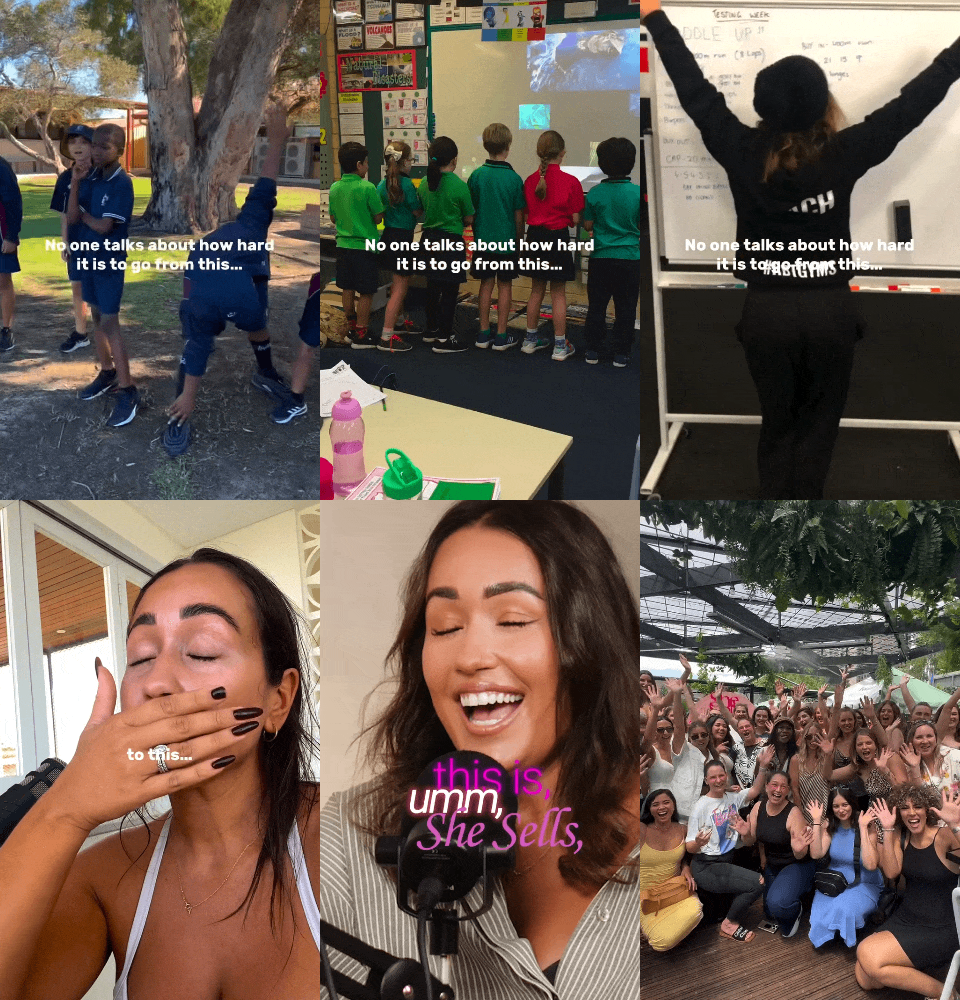
I came to sales from primary school teaching and fitness coaching, and when I moved into remote sales in 2020 I made $440 in my first month. It built from there, but it took practice and patience.
Want a remote sales career without the insurance licence? Book a free call with the She Sells team.
Results vary. Nothing here is a promise of income. See our earnings disclaimer.
Frequently asked questions
Why are most remote sales jobs insurance?
Insurance is a large occupation with steady turnover, and commission is the most common form of pay, so it costs agencies little to keep recruiting. Some agencies also advertise for unlicensed people and help them get licensed, which produces “no experience” ads. That is why insurance listings crowd job boards, especially in the US.
What remote sales jobs don’t need a licence?
High ticket closing for coaching and education offers, appointment setting, DM setting, SDR roles in tech and most B2B services sales generally don’t need a sales licence. Selling insurance, and giving advice on many financial products, does. Always check the rules for the specific product and country.
Are non-insurance remote sales jobs commission only?
Some are and some aren’t. SDR roles in tech often come with a base salary, while many high ticket closing roles are commission only or mostly commission. Ask how pay works before you accept, and get it in writing.
Can I do remote sales part time?
Yes, some closing and setting roles are part time or let you choose your call blocks, which can suit school hours in Australia or school schedules in the US. Full-time SDR roles are less flexible. Be upfront about your availability when you apply.
Is high ticket closing better than insurance sales?
Neither is better for everyone. Insurance has a licensing step and a clear structure, while high ticket closing usually needs no licence but is often more commission-heavy. Pick the one whose product, lead source and pay structure suit your life.